


We’ve heard from Australian business owners and frontline government workers that disputes about intellectual property (IP) often start because people can get confused about the different government registers and names involved in business.
IP Australia has teamed up with Business.gov.au(Opens in a new tab/window) to walk you through the key differences between the various names and registers you’ll encounter as a business owner.
All business will have one legal name.
Most businesses will have a business name and some have multiple business names.
Many business will have an Australian domain name.
Some business will have one or multiple trade marks (covering their business or individual products).
Legal name or Company name
What it is
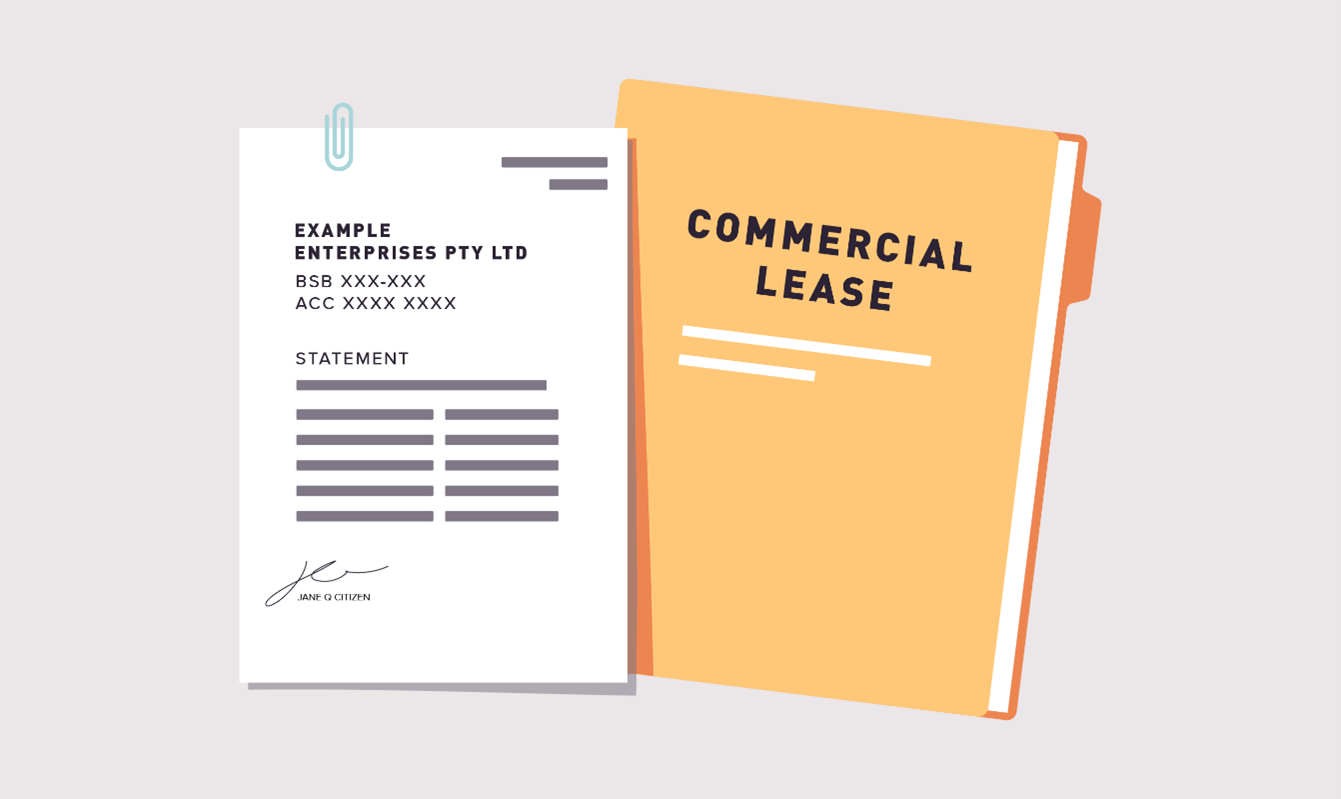
The official name of a legal entity that owns the business. This will be either the names of a person or people (for sole traders or partnerships), or the legal name of a company or trust. This is the name that appears on contracts, leases, bank accounts, and government documents.
If the owner of the business is a company, then the term ‘Company Name’ is used (like, Example Enterprises Pty Ltd ).
A company name is different from a business name – see below.
Examples of legal names
Sole trader: Jane Smith
Partnership: Jane Smith and Tony Smith
Trust: Smith Family Trust
Company: Example Enterprises Pty Ltd
What it does
It tells others who is legally responsible and often appears on contracts and government forms.
What it doesn’t do
It doesn’t give you exclusive intellectual property rights and
doesn’t let you ‘trade’ under a different name (use a name publicly that is different from the legal name) unless you also register a business name – see below.
How you get it
Several business structures (sole traders, trustees, partners) are not required to register a separate legal name, it’s simply your own name. A company name, however, is the name you give to the company when registering for an Australian Company Number (ACN) through ASIC.
What it can look like in the real world
Business name
What it is
A business name is the name you trade under with the public. It can be different from your legal name and can be changed. A legal entity may also own and trade under more than one business name.
Please note: Business names used to be referred to as a ‘Trading Name’.
Examples of business names
Example Pty Ltd start trading under the business name Dial Up Experts and later change their business name to Wifi-Pros.
Example Pty Ltd choose to start selling flowers too, so they register an additional name with ASIC and start selling them under the name Fantastic Flowers.
In the example, the company name never changed from Example Pty Ltd but it did change the way it presented itself to the public by changing and adding a business name.
What it does
A business name helps customers recognise and remember you. When registering a business name, ASIC checks that no one has already registered the exact same business name. This stops identical or nearly identical business names being registered by someone else, but cannot tell you if the name is too similar to other business names.
What it doesn’t do
It doesn’t give you the legal right to stop other people from using a name or logo that is so similar to yours that it might confuse your customers.
How you get it
Businesses who already have an ABN or ACN register their business name or names with ASIC.
What it can look like in the real world

Australian domain name
What it is
The unique internet address used for your website that ends in ‘.au’
Examples of Australian domain names
exampledomainname.com.au
exampleAustralia.net.au
exampleDomain.au
What it does
Registering an Australian domain name helps to specifically associate your site with Australia by having ‘.au’ at the end, making it easier for customers to find you online. By registering a domain name, you are given permission (referred to as a ‘licence’) to use it for a set period and under specific rules.
What it doesn’t do
Registering a domain name does not give you ownership or legal rights over the words in the name.
How you get it
Businesses who already have an ABN or ACN apply for an Australian domain name through domain name providers approved by .au Domain Administration (auDA).
What it can look like in the real world

Trade mark
What it is
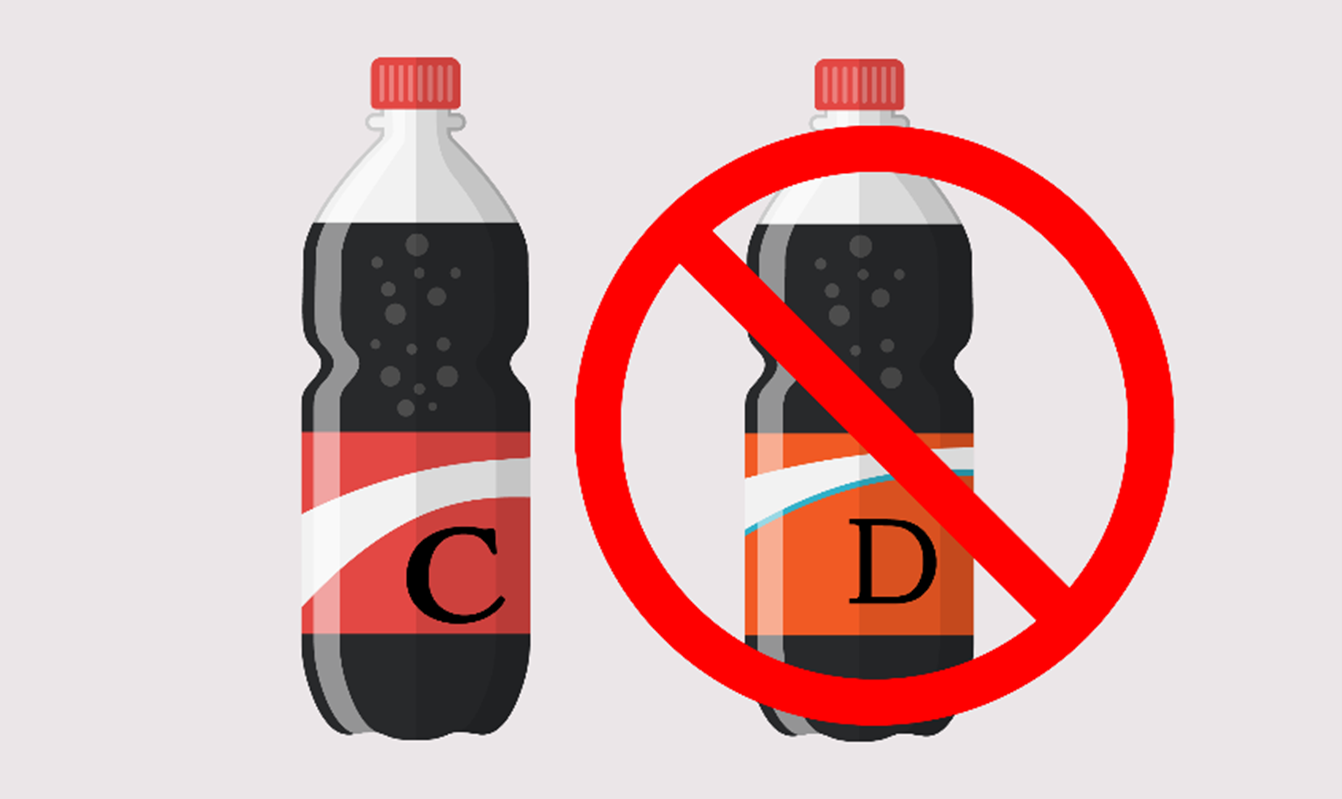
A legal right that allows you prevent others from using a distinctive element of your brand like a name, logo, or slogan. One business can have multiple trade marks, for example one for every product line or one for every version of a single logo.
Example of a trade mark

What it does
Gives you the exclusive right to use the registered elements for the goods/services you choose in Australia, and provides you with a strong legal basis to protect yourself against IP infringement. Registration stops others from registering identical, nearly identical, and ‘deceptively similar’ elements to your registered trade mark (if it’s being used for similar goods/services). Owning a registered trade mark allows you to use the ‘®’ symbol next to your trademark to indicate that it’s a registered right.
Please note: The ‘™’ symbol has no legal significance in Australian law and does not necessarily indicate that something is actually trade marked.
What it doesn’t do
A registered trade mark doesn’t cover goods/services you didn’t include in your application.
It doesn’t protect you overseas (unless you’ve registered it overseas too).
How do you get it
You can apply for a trade mark with IP Australia.
What it can look like in the real world
Common misconceptions
Lots of disputes over intellectual property (especially accidental infringement) can be attributed to misunderstandings of how these things work. Below you’ll find a list of some of the most common assumptions we’ve heard from business owners.
Assumption 1: We’ve used the name for years, so it’s automatically protected.
Reality: ‘Prior use’ can help, but it’s not a substitute for registering a trade mark, and proving it can be slow and expensive.
Assumption 2: I registered my trade mark in Australia, so I’m protected overseas.
Reality: All registered intellectual property rights are territorial – they only apply where they have been registered. Australian registration doesn’t cover other countries.
Assumption 3: ASIC approved my company name, so it’s protected.
Reality: ASIC registration prevents people registering identical company names on its register, but gives no brand protection and no defence to trade mark infringement.
Assumption 4: ASIC approval of my business name means I can’t accidentally infringe on someone else's registered IP.
Reality: ASIC checks its own business name registers, not trade mark registers. So a business name can be registered which may infringe upon an existing trade mark.
Assumption 5: Registering a logo protects the words.
Reality: This is not always the case. Registered trade marks give the enforceable right to stop others using a confusingly similar ‘mark’ for the listed goods/services in Australia. A word mark protects the word; a logo mark protects its overall look consisting of both word and graphic elements.
Assumption 6: Owning the domain means I own the name.
Reality: A domain is a licence to use an internet address. It gives no trade mark rights and can be lost in a dispute (e.g., to a trade mark owner) under auDRP.
Assumption 7: Registering a business name gives me ownership of the name.
Reality: A business name register is just a way to link a public-facing name to an ABN holder. It doesn’t grant exclusive rights to the name.
Assumption 8: Because it’s my legal name, I own it and others can’t use it.
Reality: A legal name only identifies the legal entity for government and contract purposes. It does not give you exclusive rights to use the name.